Money Etiquette: How to Talk About Shared Expenses Without Making It Weird
XpensePal Team

You know what's worse than owing someone money? Being the one who has to ask for it.
Imagine a group chat for a weekend trip that goes completely silent as soon as the trip ends. Last month, I covered a $240 group dinner because the restaurant didn't split checks. Everyone promised to pay me back that night. Three weeks later, only one person had paid immediately, two paid after a reminder, and the last person went completely silent. It's frustrating to stare at your phone wondering if sending another request makes you look petty.
That is the classic shared expense trap: you either absorb the cost and feel resentful, or you ask for your money back and feel like a nag. It doesn't have to be this way. Talking about money isn't rude—we just treat it that way because we've never been taught how to have these conversations.
Why We Avoid Talking About Money
Nobody teaches us how to request money for a shared Uber. School covers calculus but skips how to ask a roommate to split the cost of household essentials without starting an argument.
So we wing it, usually choosing to lose money rather than risk looking cheap. Nobody wants to be the person who itemizes a bill to the penny, pointing out who had two drinks while someone else had tap water. There is immense social pressure to be easygoing.
But being too casual gets expensive. Most of us would rather pay for a friend's share of dinner than face a two-minute uncomfortable conversation.
Cultural differences make it even more complicated. Some families discuss budgets openly, while others treat money as a strictly private matter. When these different styles meet in a shared living situation, you can get months of silent tension over who bought the last bag of coffee.
Ignoring the issue doesn't make it go away. It just delays the conversation until someone snaps over something minor.
Three Simple Rules for Splitting Bills
Here are three practical guidelines for handling shared expenses without the drama.
1. Agree on the Budget First
Most groups do this backward. They wait until the Airbnb is booked and the dinner is eaten before figuring out how to split the cost. Talk about the budget early. If you're planning a trip, agree on a price limit before booking a listing, not after someone reserves a place that is double what you wanted to spend.
2. Choose a Splitting Style and Stick to It
If your group usually splits checks down the middle, suddenly deciding to pay only for your side salad can feel personal. Consistency helps set expectations. If you prefer to pay only for what you ordered, let everyone know at the beginning of the meal.
3. Keep It Brief and Transactional
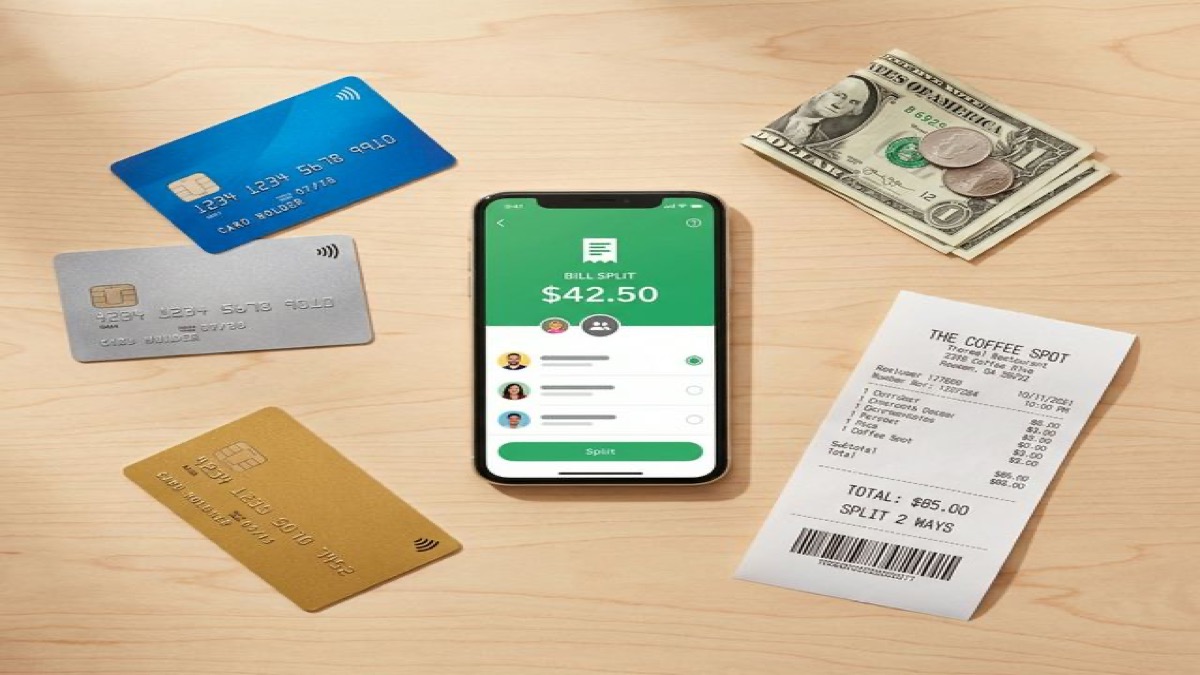
If a payment request goes ignored for weeks, starting a follow-up text with an accusatory phrase will only put the other person on the defensive. Keep your messages neutral, short, and direct.
Clear Messages to Send
Here are a few simple templates you can use to ask for your money back without the awkwardness.
The Gentle Reminder
Hey, I'm tallying up the costs from the weekend. Your share of the Airbnb is $85. Send it over whenever you get a chance.
There is no need to apologize or say sorry to bother you. Asking to be paid back for money you spent is completely reasonable.
The Follow-Up
Hey, just bumping this so it doesn't get lost. Let me know if Venmo works or if you prefer another app.
If they ignore a second message, they are making a clear choice. That tells you what you need to know.
Setting Boundaries Upfront
I'm keeping an eye on my spending this month, so I'd prefer to just pay for what I ordered tonight.
If someone has an issue with that, it is a reflection of their expectations, not your budget.
Let the App Handle the Reminders
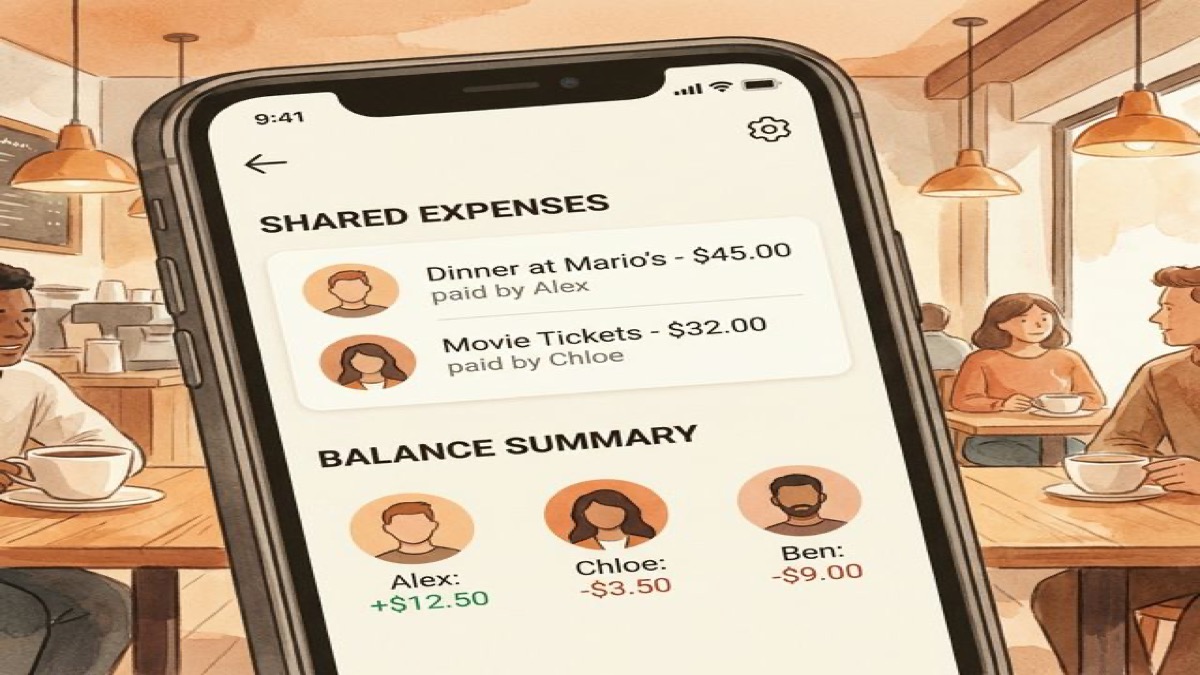
The easiest way to remove tension is to take yourself out of the picture.
Saying you owe me money can feel personal. When an app like XpensePal sends a notification with a balance, it is just a neutral update. The emotional pressure disappears.
Using technology as a neutral third party makes it easy to log expenses as they happen. You aren't nagging your friends—you're just checking the record.
Dealing with Chronically Late Payers
Most people are just disorganized, not malicious. However, you might have a friend who consistently avoids paying their share.
- The one who suggests the expensive cocktails but realizes they forgot their wallet when the bill arrives.
- The roommate who is always waiting on a paycheck but has new online packages arriving daily.
- The friend who always says they will get the next round but never does.

If you notice a pattern, stop covering for them. Suggest activities where everyone pays individually, or use an app to keep a clear record of who paid for what. You shouldn't have to subsidize someone else's habits at the expense of your savings.
Setting clear boundaries isn't stingy—it protects your relationships. Talk about costs early, track the details automatically, and stop feeling bad for asking to be paid back.